
Home
The benefits of growing native plants
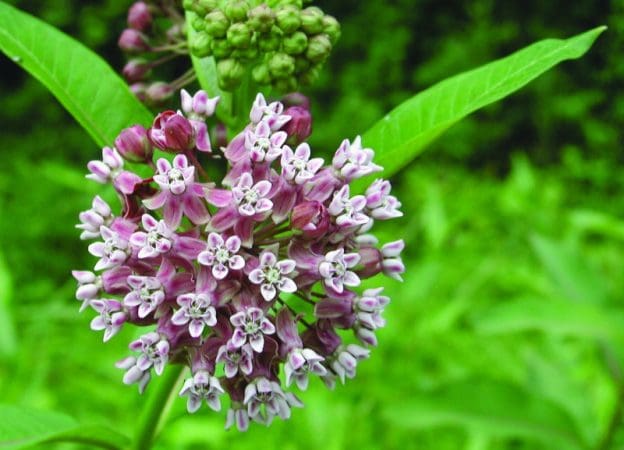
Cultivating native plants is an important part of preserving your region’s wildlife and ecological system. Imported plants were popular for many years, but ecologically conscious gardeners are increasingly opting to grow native plants instead.
To be considered native, a plant must be indigenous to the area. In North America, any plant that was here before Europeans arrived is considered to be native. They have evolved alongside local wildlife, and are uniquely able to support the birds, mammals and insects that live here.
Because they’re suited to the local climate, indigenous plants often require much less care than flowers, shrubs and trees that come from other parts of the world. This means that you’ll spend less time watering and fertilizing and more time enjoying your plants. They also don’t require the use of pesticides, which makes them better for the environment.
Having a native garden is far from boring. Plants indigenous to your area come in all sizes, shapes and colors. From tiny groundcover to the tallest trees, you have many options to beautify your yard. As a bonus, your new plants will also encourage visits from local birds and butterflies.

Planting a native garden requires some research. To find out which plants are indigenous to your area turn to gardening clubs, the public library or the professionals at your local gardening center.
PC:
Common milkweed (Asclepias syriaca) is indigenous to North America. It’s fragrant flowers attract pollinators.




Turning Off an Airbag Is Allowed in Limited Circumstances

A Retirement Account for a Grandchild Starts With a Summer Job

Your Photos Survive A Lost Phone, But Not A Wrong Tap

Walking Malls Don’t Solve Problems

Festival of Leaves 2026 Wraps Up a Successful Day in Downtown Front Royal

Autumn Delights: Spotlight On Pumpkins!

Lord Fairfax Health District Receives $5,000 Grant To Support Local EMS Crews

Why an AI Bubble Could Reach Your Savings

The Platypus: A Truly Amazing Animal!

A Thing of the Heart: Two-Fold Outreach to Children and Award Presentation Brings Hike Kidz to Stone Branch Arts Center

Virginia State Police Seize Drugs Valued at More Than $830,000, Recover 13 Firearms

Commentary: We Hate Technology. Please Like and Share

One Medicare Open Enrollment Decision That Can Be Hard to Undo

Constitution 101: The Postal Clause

VDOT: Warren County Traffic Alert for October 12 – 16, 2026

UVA Poison Expert Warns of Emerging Synthetic Opioids That Fentanyl Tests May Miss

Pumpkins Will Take to the Skies at Front Royal Warren County Airport Oct. 24

Front Royal Remains Under Mandatory Water Conservation As Shenandoah River Flow Drops

Front Royal Women’s Resource Center Opens 2027 Dare to Dream Grant Applications

Warner, Mizusawa Outline Competing Approaches to Disability Policy

Fable Greenhouse and Gardens Breathes New Life into Former Horton’s Nursery

Louise Virginia “Mom” Messer (1936 – 2026)

Business Growth Series: Doing Everything Yourself Is Slowing You Down

The Mystery of the Purple Seal
