
Local News
Valley Health System adjusts to new normal with COVID-19 precautions
In the last week, Valley Health System’s regional network of hospitals, long-term care facilities, wellness and fitness centers, physician practices and outpatient clinics have dramatically changed how they operate in a focused effort to protect staff, patients and the larger community from COVID-19.
At this time, there have been no confirmed positive tests for the virus in Valley Health’s primary service area.
“We have seen quite a dramatic shift in our nation’s activities,” President and CEO Mark H. Merrill told Valley Health’s managers and directors around the region in a teleconferenced meeting Thursday morning. “Fear is a natural emotion that can sometimes overwhelm rational thinking. We are taking a logical and systematic approach in our preparation. There are parts of the world that have effectively mitigated the spread of this virus. We have been learning from their experience.”
Hospital, Long-Term Care Visiting Curtailed
In remarkably short order, staff and physicians have embraced social distancing as the most effective large-scale way to curb the spread of COVID-19. Patient visitation at Valley Health’s six hospitals and three long-term care facilities was curtailed to reduce the risk of transmission. Facility entrances have been closed to control access and manage screening. Visitation exceptions are being made at Winchester Medical Center for Labor and Delivery, Mother/Baby, Pediatrics and NICU, and at all facilities for special circumstances including end-of-life care, on a case-by-case basis. Visit valleyhealthlink.com/coronavirus for details.

Valley Health Begins Postponing Elective and Non-Essential Surgeries
Starting Monday, March 23, all Valley Health hospitals and outpatient surgery centers will be postponing all elective and non-essential procedures and surgeries. Valley Health will continue to allow procedures and surgeries for patients whose condition is emergent or urgent as determined by their physician. This decision was made after thoughtful consideration and is consistent with the guidance being provided by governmental, clinical, and regulatory organizations.
“Our top priorities are to protect our care team and all those we are caring for,” said Iyad Sabbagh, MD, Chief Medical Officer for Valley Health, who is overseeing the system’s clinical readiness. He expressed leadership’s confidence that the organization is prepared, equipped and protected to respond effectively to COVID-19. “I’ve been impressed with our team’s commitment, resourcefulness, and resiliency,” he said. “We have key processes in place to preserve supplies, safeguard employees and physicians, continue providing excellent care to all other patients, and be prepared for surge capacity in the days ahead.”
Wellness and Fitness Centers Close to Protect Members and Staff
Valley Health’s six off-site wellness and fitness centers also closed Thursday, March 19 until further notice, as a precautionary measure. All public events and classes have been canceled or postponed, except patient education related to disease management or preparation for surgery. Outpatient rehabilitation services (physical, occupational and speech therapy) that, in many cases is co-located with fitness, remain operational.
“Our intent is to discourage our fitness members from gathering, but we do not want to deny patients the therapy they need,” said Sabbagh.

Valley Health COVID-19 Test Collection Sites
Anticipating a likely increase in demand for COVID‐19 testing, Valley Health has established outpatient test collection sites. Two sites are now operational in Winchester and Front Royal, with additional locations opening soon.
Until more kits become available, testing is limited to individuals who meet the CDC screening criteria and are referred by their physician or health department. Patients should not present directly to these sites without an appropriate referral.
How to Access Testing
Individuals with symptoms including fever, dry cough and shortness of breath, who have either traveled from a location with COVID-19 or think they may have been exposed, should not go to their doctor, urgent care center or hospital emergency room. They should call their doctor’s office, answer screening questions, and be directed accordingly.
Individuals who are severely ill and need emergency care are asked to call a number posted outside the hospital Emergency Department before entering. Dispatchers will guide 911 callers and EMS responders if COVID-19 is suspected. Sick individuals are asked to do all they can to protect others by limiting contact with unprotected family, emergency responders, and hospital staff as they seek care.

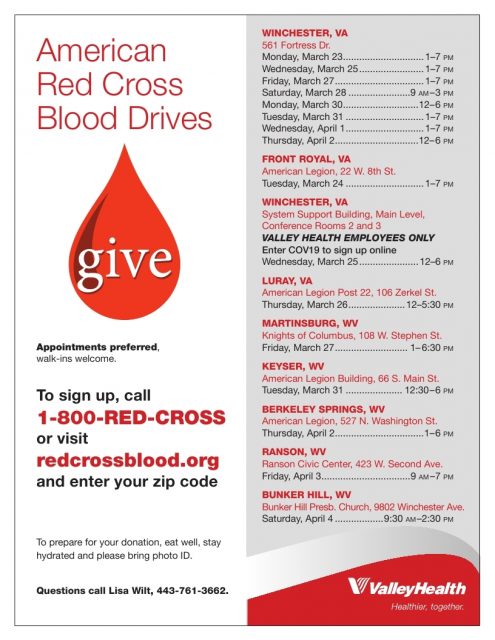
“We’re all in this together,” Merrill reflects. “How can we help our coworkers, patients, families, and friends respond safely, rationally and thoughtfully to create the best possible outcomes? Can we commit to donate blood at a time when our supply is low? Are there things we can do during this time of social distancing to uplift those who may feel isolated? Can we use technology in new ways to bring a smile to a confined loved one?”
Visit valleyhealthlink.com/coronavirus for updates on Valley Health visitation policies, other service adjustments, and volunteer or employment opportunities related to COVID-19.




ORDER OF PUBLICATION: In the Circuit Court for Warren County, Virginia

The Silent Danger of Heating Season

Three Common Myths About STBBIs Explained

Standing Counts, but Walking Counts More

VDOT: Warren County Traffic Alert for September 28 – October 2, 2026

Virginia Health Committee Considers Mandating Licensed Nurses in Every School

After Obama-Era Chesapeake Bay Executive Order Rescinded, Environmental Groups Brace for Fallout

Federal Judge Strikes Down SNAP Deadline That Put Virginia at Risk of Added Costs

Children Activities by Samuels Public Library for the Month of October

$5,000 Match Challenge to Support Warren County Children on Give Like Dolly Day

October 23rd Set for Post-Discovery Motions Hearing in Bradley Treece Gunfire Incident With Neighbors

Virginia State Police Seize More Than $1 Million in Drugs During Weeklong Operations

Jolissa Steele Shifflett Mathews (1944 – 2026)

False Birth Control Claims are Proliferating, Survey Says

Business Growth Series: Your Work Environment Is Affecting Your Growth

Frog Hunting Offers Virginians a Different Kind of Outdoor Adventure

How the Tech Bros Shop for a House

County Supervisors Fill Vacant Planning Commission Seat, Look to Future on Processes and Capital Improvements

America 250: ‘I Only Regret That I Have but One Life to Lose for My Country’

Building Gas Plants More Important Than Dominion Sale, Data Center Politics

Home Inspectors Help Buyers and Sellers Understand a Property’s Condition

Bowling Together: Why Work Is More Than a Paycheck

This Week’s Showtimes at Royal Cinemas as of September 24th

POLICE: 7 Day FRPD Arrest Report 9/21/2026
