
Local News
Blue Ridge Wildlife Center Patient of the Week: Raptors
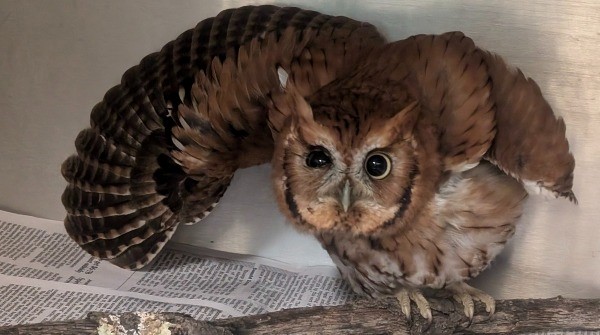
This week, we’re spotlighting a serious issue affecting many of our current patients: vehicle collisions.
Over the past month, more than a dozen raptors of different species have been admitted to our center after being struck by cars. These birds of prey play a critical role in maintaining balanced ecosystems, and their injuries have ripple effects in the natural world.
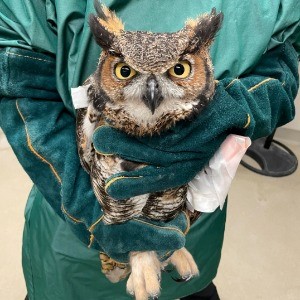
Great Horned Owl
Why Raptors Are Critical to the Ecosystem

Raptors are apex predators that serve as nature’s pest control. By hunting rodents and other small animals, they prevent overpopulation, reducing crop destruction, limiting the spread of disease, and helping balance ecosystems.
Their work benefits everyone—from farmers to gardeners to other wildlife species that depend on stable habitats. When raptors are injured or killed, these delicate ecosystems can quickly become imbalanced.
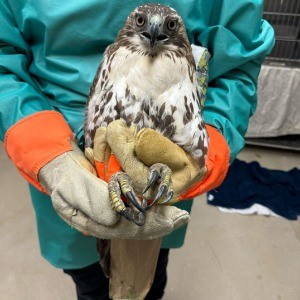
Red-tailed Hawk
Why They’re Still Here This Time of Year

Not all birds fly south for the winter. Many raptors remain active year-round.
- Hunting in Colder Months: With less cover and fewer prey animals, winter hunting becomes more challenging, forcing raptors to expand their territories and hunt longer hours to survive.
- Dusk and Dawn Activity: These hours are prime hunting times for owls, overlapping with rush-hour traffic. This overlap, combined with shorter daylight hours, creates a deadly situation for these birds.
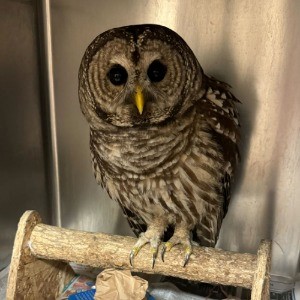
Barred Owl
How You Can Make a Difference
1. Drive with Raptors in Mind

- Slow Down: Obey speed limits and stay extra alert at night, particularly on roads near wooded areas or open fields.
- Keep Roadsides Clean: Littering might seem harmless, but it’s a hidden danger to wildlife. Even biodegradable scraps like banana peels, apple cores, or bread attract small prey animals, like rodents, to roadways. Raptors follow these prey animals to hunt, only to end up in the path of oncoming vehicles.
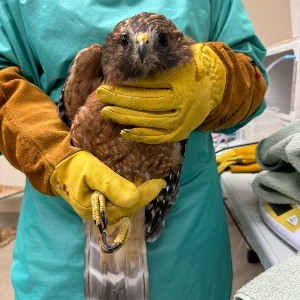
Red-shouldered Hawk
2. Be Prepared for Wildlife Emergencies
- Save These Numbers: Add the following to your phone so you’re ready if you see or hit an animal:
- Blue Ridge Wildlife Center Hotline: (540) 837-9000
- Your Local Wildlife Rehabilitator
- Non-Emergency Police or Animal Control
3. If You See or Hit an Animal:
- Pull over only when it’s safe.
- Turn on hazard lights.
- Keep a safe distance from the animal to avoid further stress or injury.
- Call for professional advice on how to proceed.
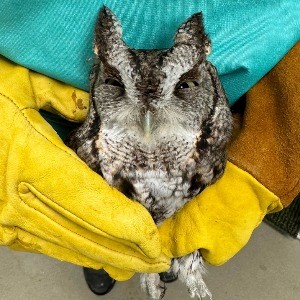
Eastern Screech Owl (Gray Phase)

It’s About More Than Just Birds
Protecting raptors is about protecting entire ecosystems. When raptors are safe and thriving, they provide invaluable services to nature, benefiting humans and wildlife alike!
By driving mindfully, keeping roadsides clean, and being prepared for emergencies, you can make a real difference.
Looking for an easy way to help native wildlife? Become a monthly BRWC donor! For as little as $5/month, you can provide year-round, sustainable support that helps us fulfill our mission.



America 250: ‘I Only Regret That I Have but One Life to Lose for My Country’

Building Gas Plants More Important Than Dominion Sale, Data Center Politics

Home Inspectors Help Buyers and Sellers Understand a Property’s Condition

Bowling Together: Why Work Is More Than a Paycheck

This Week’s Showtimes at Royal Cinemas as of September 24th

POLICE: 7 Day FRPD Arrest Report 9/21/2026

Blue Ridge Wildlife Center Patient of the Week: Eastern Cottontail

UVA Health Review Examines Real-World Results of Incisionless Liver Tumor Treatment

Maximilian James Donora (1995 – 2026)

Dollars for Dolly Campaign Aims to Turn Small Gifts Into Big Community Impact

Clean Virginia: NextEra’s Utility Takeover Attempts, Alleged Political Moves Relevant to Merger Case

Commentary: If You Enjoy Virginia’s Wildlife, Thank a Hunter or Angler

Spanberger Presses Congress for AI Guardrails as States Forge Ahead

‘Drive Them Into Hell’: Trump Ponders Destruction of Iran at United Nations

National Chicken Month Celebrates a Versatile Source of Protein

Face Paint That Can Read Your Heartbeat

Leisa Wood (1961 – 2026)

GO VOTE: Because Complaining Alone Isn’t a Good Strategy
The Third Most Important Gift Is Laughter

Skates, Treats and Safety: Warren County Sheriff’s Office Foundation Pack October with Community Events

Celebrate Kids Day Returns Sept. 27 With Family Fun, Activities and a New Train Ride

Survey Finds That More Than Half of Virginia Families With Children Face Food Insecurity

Could Virginia’s New Law Allowing 1% Sales Tax for School Construction Need a Fix?

Now They Want to Rein It In
