
Local News
Blue Ridge Wildlife Center Patient of the Week: Red Fox
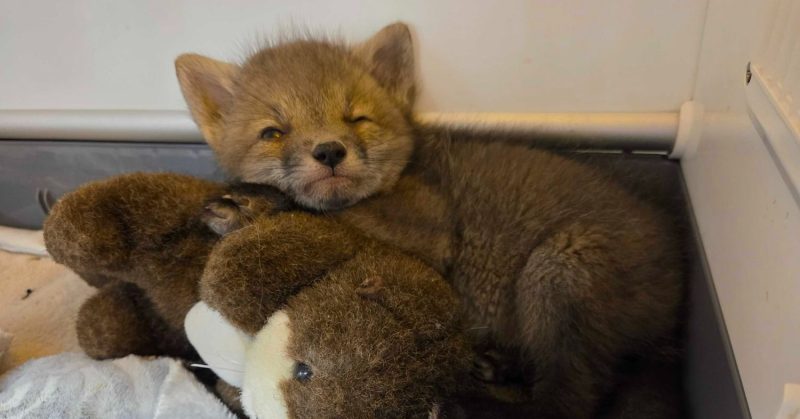
This red fox kit was brought to us after being found wandering alone and potentially abandoned by the mother. The finder had noticed the other healthy pups of the same age together elsewhere on the property, but this pup had an uncoordinated gait and appeared to have other neurological deficits.
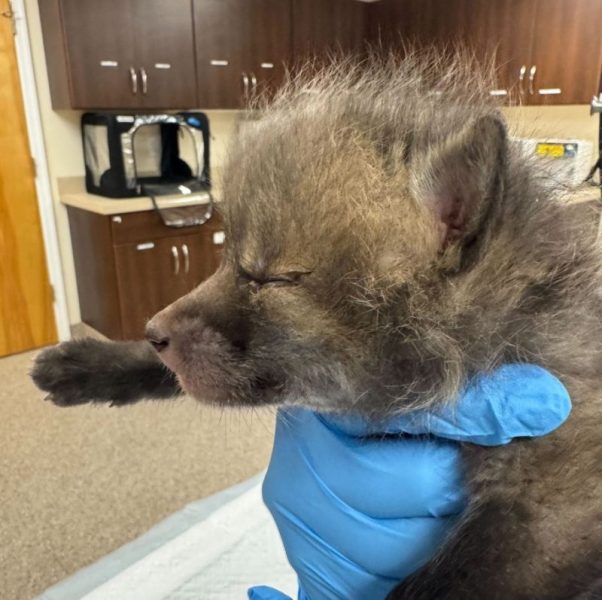
When this pup arrived at the center, our physical exam confirmed that he had severe abnormalities including ataxia (balance issues), nystagmus (rhythmic eye twitching), and difficulty holding his head in a normal, upright position.
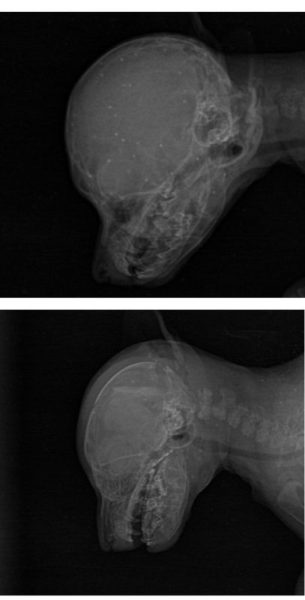
It was also noted that this pup’s head was slightly rounded. Our veterinary team suspected hydrocephalus, which was confirmed over the next few days with diagnostics, worsening of neurological signs, and eventually necropsy.
This was our fourth fox with hydrocephalus admitted this spring.

Hydrocephalus is a congenital abnormality, and unfortunately, the brain damage it causes is not treatable.
By the time the parents abandon these babies and they come to us for care, the damage is already done and euthanasia is the most humane option.
While hydrocephalus is seen across species, we see most cases in red foxes and we average 3-6 cases per year. Infection in-utero is one of the most common causes of hydrocephalus in foxes, humans, and other species.
Toxoplasmosis is one very common cause of this condition and research conducted at our hospital has shown that many red foxes are unfortunately infected with this parasite.

Toxoplasmosis is a protozoan parasite that is spread in cat feces, with cats being the definitive host for this parasite.
This is the reason that women are discouraged from cleaning litter boxes while pregnant. When humans allow cats to free roam, we are unintentionally causing this condition in wildlife. Free-roaming cats pose this same risk to wild mothers. Keeping cats indoors or in catios for outside time can prevent this horrific condition as well as direct predation on wildlife and it is so much safer for your cat.
We are always sad to see these cases of hydrocephalus, but it is an excellent reminder of the interconnectedness of human and animal health. When we keep our pets safe and healthy, it also benefits human and wildlife health.
After 4 days of repeated neurologic exams and close monitoring, this fox’s condition continued to worsen in a manner that is quite predictable for hydrocephalus. Ultimately all symptoms and diagnostics were highly suggestive of the condition and euthanasia was deemed the most humane option as the brain damaged caused by this condition is not reversible. As expected, hydrocephalus was definitively confirmed on necropsy.

Looking for an easy way to help native wildlife? Become a monthly BRWC donor! For as little as $5/month, you can provide year-round, sustainable support that helps us fulfill our mission.




Barbara Ann Mathews Smelser (1943 – 2026)

Kathleen Frances Elar (1956 – 2026)

Happy Creek Crossing to Hold Vendor Interest Meeting Oct. 8 in Front Royal

If the Car Name Fits, Drive It

Front Royal Begins Smoke Testing Sewer System; Residents May See Smoke Around Homes

Trump Orders Federal Agencies to Replace ‘Artificial Intelligence’ With ‘Super Intelligence’

Town-Wide Weed Spraying Underway in Front Royal Through Oct. 6

Southbound I-81 Lane Closure Near Strasburg Expected to Cause Significant Weekend Delays

Virginia Democrats Warn More Healthcare Strains Loom After November Election

Legislation to Force Virginia Traffic Camera Fine Payments Will Make ‘Nightmarish’ Court Workloads

CDC’s Latest Youth Behavior Report Offers a Narrower Look at Teen Health

News Organizations Banned from White House Accuse Trump of First Amendment Violation

Virginia Education Board Approves New Rules for Local Student Assessments

FCC Halts Automatic Approval of Verizon Plan to End Legacy Landline Service in Virginia

Women in Agriculture Continue to Face Barriers as Their Role Grows

This Week’s Showtimes at Royal Cinemas as of October 1st

Surveillance, Outdoor Dining, and Other Community Concerns at Town Council Meeting

When Elected Officials Cross the Line

Trump Administration Revokes $810M Approved by Congress for Refugee Aid and More

The Signs Offer Quick Cash for Homes. But States Want More Oversight

This Drone Hunts Mosquitoes

William Morgan and the Anti-Mason Party

Luria and Kiggans Rematch in Virginia’s 2nd Congressional District Among Most-Watched Races In Nation

Youth Advocates Warn Higher Marijuana Fine Could Deepen Racial Disparities
