
Interesting Things to Know
Tips for driving safely on wet roadways
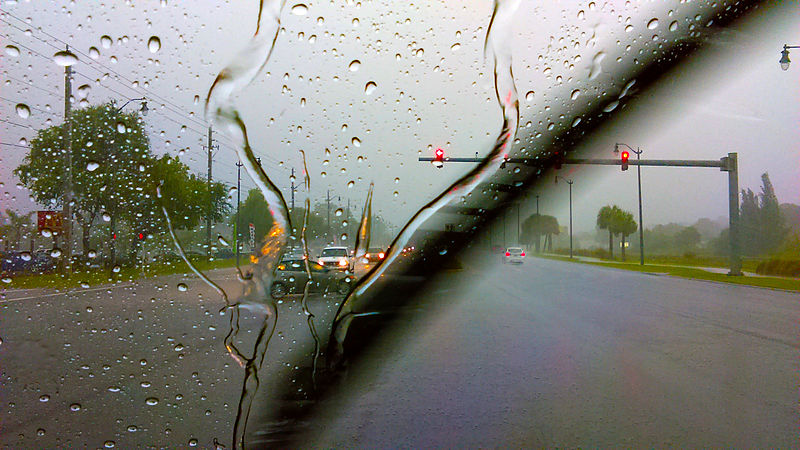
With rain predicted for nearly every day this week and next, area drivers should practice caution when taking to the roadways. AAA National reports that wet pavement contributes to nearly 1.2 million traffic crashes each year.
Here are some safety tips for driving in the rain:
Make sure that you can see and be seen. Replace windshield wiper inserts that leave streaks or don’t clear the glass in a single swipe. Make sure all headlights, taillights, brake lights and turn signals are properly functioning so other drivers will see you during downpours. Turn on your headlights whenever you drive.
Proper tire tread depth and inflation are critical for good traction on wet roads. Check tread depth with a quarter inserted upside-down into the tire groove. If you can see above Washington’s head, it’s time to begin shopping for new tires. Check each tire’s pressure, including the spare, at least once a month–and always check the pressure before beginning to drive, or when the tires are cold.
Avoid Cruise Control
While cruise control works great in dry conditions, using it on wet pavement can increase the chance of losing control of the vehicle. To prevent loss of traction, the driver may need to reduce the car’s speed by easing off the accelerator, which cannot be done when the cruise control is engaged.
When driving in wet-weather conditions, it is important to fully engage with the act of driving. Avoiding cruise control allows the driver more options to choose from when responding to a situation, which maximizes safety.
Slow Down and Leave Room
Driving more slowly during wet weather driving reduces a car’s chance of hydroplaning, which happens when the tires rise up on a film of water. With as little as 1/12 inch of water on the road, tires must displace a gallon of water per second to keep the rubber in contact with the road. Drivers should reduce their speed to correspond to the amount of water on the roadway. Even at speeds as low as 35 mph, new tires can still lose some contact with the road.

To reduce chances of hydroplaning, drivers should slow down, avoid hard braking or turning sharply and drive in the tracks of the vehicle ahead of you. Also, it’s important for motorists to allow ample stopping distance between cars by increasing the following distance of the vehicle in front of them and beginning to slow down to stop for intersections, turns and other traffic early.
Responding to a Skid
Even careful drivers can experience skids. If a driver feels his/her car beginning to skid, it’s important to not panic and follow these basic steps:
Continue to look and steer in the direction in which the driver wants the car to go.
Avoid slamming on the brakes as this will further upset the vehicle’s balance and make it harder to control.
If you feel the car begin to skid, continue to look and steer in the direction you want the car to go. Don’t panic and avoid slamming on the brakes to maintain control.
The bottom line for driving in wet weather is to be extra cautious, according to AAA. Slow down, avoid hard braking or turning sharply and allow ample stopping distance between your car and the vehicles in front of you.

Remember, do these things one-at-a-time. Brake, then turn, then accelerate.




Patricia Ann “Patty” Vaught Brown (1961 – 2026)

Warren County Fire and Rescue to Kick Off Fire Prevention Week Oct. 4

Literacy Volunteers Students Earn Publication in Statewide Magazine

Virginia Transportation Board Schedules Fall Meetings, Including Stops in Weyers Cave and Culpeper

VDOT: Warren County Traffic Alert for September 14 – 18, 2026

Shenandoah River State Park Packs September With Fishing, Night Hikes, Pawpaws and More

How 9/11 Changed the Way America Surveils Its Citizens

Virginia General Fund Revenues Up 5.4% Through August

Virginia State Police Report More Than $580,000 in Drug Seizures During Weeklong Operations

The Night British-Held New York Burned

Spanberger Marks 25th Anniversary of 9/11 at Arlington Fire Station

Frustrations, Remorse and Pain Surface on 25th Anniversary of Sept. 11 Attacks

Twenty-Five Years After the Towers Fell
9/11: Honoring Our First Responders and Remembering the Role of Our Teachers

How the US House Could Overturn the Midterm Election Results

Front Royal Marks 25 Years Since 9/11 With Remembrance at the Gazebo

Beth Macy Discusses Sixth District Campaign, Health Care, Farming and Data Centers

Neurofeedback Specialist to Offer Free Community Program at Samuels Public Library

Warren County Wildcats Host Strasburg Under Friday Night Lights – September 11

Seeing, Listening and Supporting Our Seniors
Virginia’s 6th District Deserves Better Representation

David James “Dave” Lyons (1972 – 2026)

Two Killed in Fiery I-81 Crash Near Exit 310 in Frederick County

Business Growth Series: If You’re Not Listening, You’re Losing Customers
