
Automotive
A history of roads in Virginia: Another World War begins
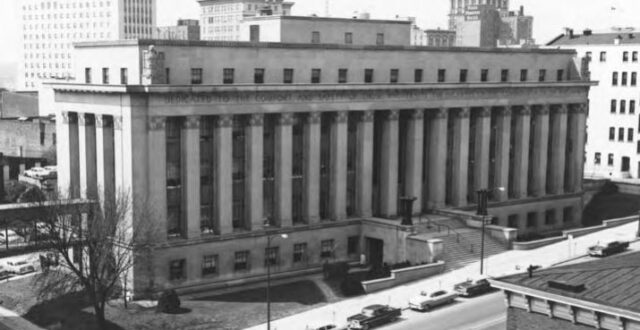
The Highway Building in Richmond was dedicated in 1939. The entablature across the Neo-Greek style building reads, “Dedicated to the comfort and safety of those who travel the highways of the Commonwealth of Virginia.”
Within months, the thoughts of Virginians and other citizens throughout the land were to be diverted by the entry of the United States into World War II.
“The war emergency has multiplied our responsibilities. Today as never before in history, the highways of the nation must be adequate at all times of the year to handle the modern mechanized army, and at the same time keep civilian transportation involving largely, as it does, the marketing of farm and food supplies and the carrying of defense workers to industrial plants, on the move without delay,” the State Highway Commission told Virginians.
“Under ordinary circumstances, these would not have been serious problems for us to handle. The foresightedness of previous years had modernized our major trunk highways to such a degree that they are equipped to handle their normal traffic load. The problem that has confronted us the most has been the need for rapid development and newly created feeder and access roads to the defense areas.”

As had occurred a quarter-century before, employees left to join the armed forces and, in some instances, to take jobs in defense industries. Materials and supplies were in short supply. Tire and gasoline rationing reduced travel, but also cut the accompanying revenue from road-user taxes. “All but the most urgent and important work… has been postponed until conditions improve,” the commission said.
Commission members sought to bring “our highways through the war winters without undue interruption to traffic or serious loss of capital investment” and to aid as best they could in the nation’s defense efforts. At one point, 3,000 pieces of federal equipment were repaired or overhauled at the Department of Highways’ equipment depot in Richmond.
Farm labor was hired to help with road maintenance, and students were employed and trained during the summers to assist in drafting rooms.
In 1942, the General Assembly expanded the commission from five to nine members — one from each of the eight highway districts, with the full-time commissioner serving as chairman — and the enlarged group set about planning for the future.

“Under the heavy pounding of war-time traffic and inadequate maintenance, some of the older highway surfaces and bridges are failing and cannot endure for any length of time without costly failure,” the commission said. “The reconditioning or replacement of these will furnish one of the most important salvage jobs in post-war activities.”
The winter of 1945-46 was described as “the worst experienced during the history of the department… 20,000 miles of low-type road went to pieces. The continued shortage of labor, equipment, and materials had greatly handicapped efforts to make these roads serviceable throughout the year.” The winter added to the post-war recovery woes, which were about to be tackled.
Next up: 20 year plan; upgrade all roads; replace most ferries
Produced by the
Virginia Department of Transportation
Office of Public Affairs
1401 E. Broad Street
Richmond, VA 23219
VirginiaDOT.org





UVA Health Review Examines Real-World Results of Incisionless Liver Tumor Treatment

Maximilian James Donora (1995 – 2026)

Dollars for Dolly Campaign Aims to Turn Small Gifts Into Big Community Impact

Clean Virginia: NextEra’s Utility Takeover Attempts, Alleged Political Moves Relevant to Merger Case

Commentary: If You Enjoy Virginia’s Wildlife, Thank a Hunter or Angler

Spanberger Presses Congress for AI Guardrails as States Forge Ahead

‘Drive Them Into Hell’: Trump Ponders Destruction of Iran at United Nations

National Chicken Month Celebrates a Versatile Source of Protein

Face Paint That Can Read Your Heartbeat

Leisa Wood (1961 – 2026)

GO VOTE: Because Complaining Alone Isn’t a Good Strategy

The Third Most Important Gift Is Laughter

Skates, Treats and Safety: Warren County Sheriff’s Office Foundation Pack October with Community Events

Celebrate Kids Day Returns Sept. 27 With Family Fun, Activities and a New Train Ride

Survey Finds That More Than Half of Virginia Families With Children Face Food Insecurity

Could Virginia’s New Law Allowing 1% Sales Tax for School Construction Need a Fix?

Now They Want to Rein It In

From Oil Field to Gas Pump: What Really Determines What We Pay?

When Fields Flood: How Farmers Protect Crops and Plan for the Future

Draw Your Circles: A Map of the People Who Matter

A Heartfelt Farewell and Thank You
Data Centers Are Necessary. That Doesn’t Mean Warren County Needs One

Diesel Prices Shoot Upward as Top Farm-State GOP Senator Begs Trump for Export Embargo

From One Barrel of Oil: What Do We Actually Get?
