
Local News
Blue Ridge Wildlife Center Patient of the Week: Bald Eagle
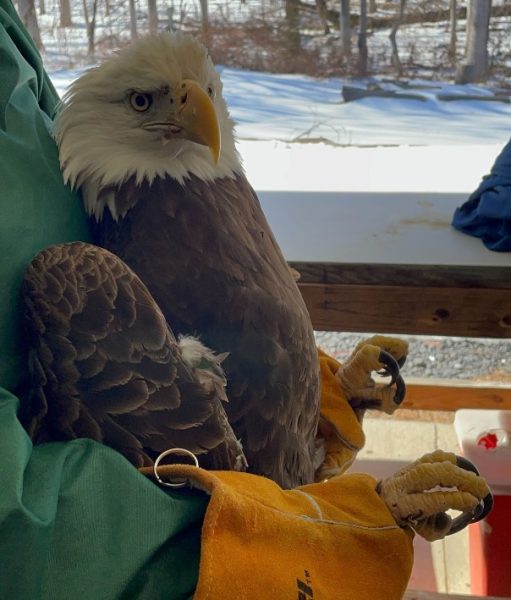
This adult Bald Eagle was brought to the Center after being found unable to fly and breathing heavily. Thanks to Prince William County Animal Services Bureau, the bird was safely contained and transported to us for evaluation.
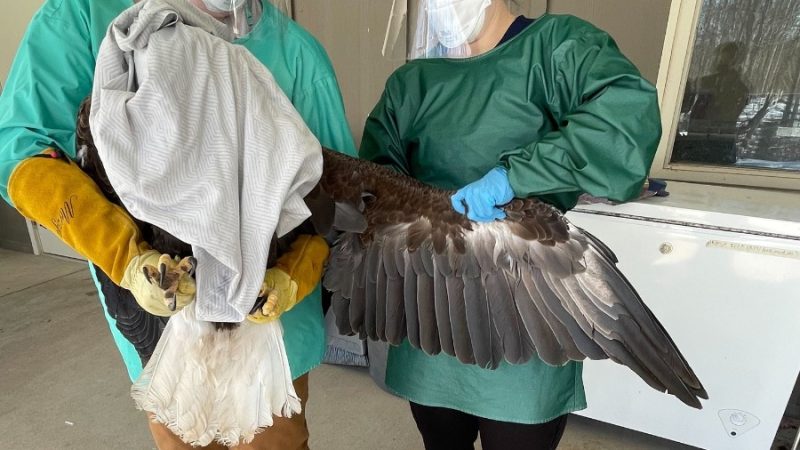
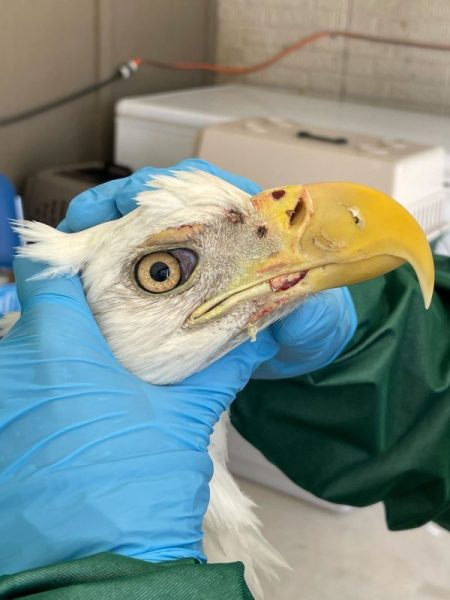
On exam, our team noted multiple signs of trauma, including facial wounds, abrasions on the feet, and bruising along the pectoral muscles.
The eagle also showed concerning neurological symptoms such as head shaking and bobbing, along with the same labored breathing reported by the finder.
At intake, several possibilities were considered. Primary trauma, rodenticide toxicosis, or infectious disease followed by secondary trauma can all present with similar symptoms in raptors.

Diagnostic testing confirmed that this patient was positive for highly pathogenic avian influenza (HPAI).
Although treatment began immediately to stabilize the injuries, the eagle’s neurological signs progressed rapidly. He passed away within the first 24 hours, before laboratory results confirming HPAI were even returned.
Cases like this highlight an important reality. Wildlife centers are on the front lines of emerging and zoonotic diseases.
Every patient that comes through our doors provides critical insight into what is happening in the environment around us. From avian influenza to other infectious diseases, wildlife hospitals play a vital role in early detection, monitoring trends, protecting domestic animals, and helping safeguard public health.

This winter, we have seen an increase in HPAI cases, including multiple patients from Prince William County within the past week. Bald Eagles and other scavenging birds are particularly vulnerable because they often feed on sick or deceased waterfowl, which can carry the virus.
How you can help keep wildlife, pets, and people safe
If you find wildlife that appears sick, injured, or neurologically abnormal:
- Call our wildlife hotline before attempting rescue so our team can guide you through safe containment and transport
- Avoid direct contact whenever possible and use gloves or a barrier
- Keep pets and people away from the animal
Calling ahead helps protect you, your pets, our staff, and the other patients in our care while ensuring wildlife receives the safest possible response.
Thank you for helping us stay prepared for both everyday rescues and emerging wildlife health challenges.

Looking for an easy way to help native wildlife? Become a monthly BRWC donor! For as little as $5/month, you can provide year-round, sustainable support that helps us fulfill our mission.




A Heartfelt Farewell and Thank You

Data Centers Are Necessary. That Doesn’t Mean Warren County Needs One

Diesel Prices Shoot Upward as Top Farm-State GOP Senator Begs Trump for Export Embargo

From One Barrel of Oil: What Do We Actually Get?

CNN, MS Now, Politico Sue Trump Over White House Ban

Virginia-Made Marine Mattress Nominated for 2026 Manufacturing Cup

Virginia Works Plans October Job and Resource Fairs in Front Royal, Winchester

UVA Health Prince William Medical Center Earns Third Consecutive Magnet Recognition

Virginia Hunger Study Finds 37% of Blue Ridge Households Faced Food Insecurity

WCHS Volleyball Hosts Manassas Park on Sept. 22

ORDER OF PUBLICATION: In the Circuit Court for Warren County, Virginia

The Papers You Would Grab in Ten Minutes

Spanberger’s Carbon Tax Sets New Record, Could Add $1 Billion to Electricity Costs in One Year

Ask Stewart: What Should I Be Doing for My Trees This Fall?

Next Hearing in Supervisor Tony Carter’s DUI Case Set for Dec. 8

Commentary: We All Use Data Centers. So Where Should They Go?

From Wine to Whodunit: Local Events Raise Money for Community Programs
The Data Center Debate Should Include Data Security

Greenville Didn’t Become a Destination by Accident

Nancy Grace Roman Observatory Launched by NASA on August 30 Will Be Ongoing Public Event

White House Highlights Greenland Security Deal, Drug Pricing and H-1B Actions

Clover and Denim Fundraiser to Support Northern Virginia 4-H Center

PFAS Chemicals Raise Concerns Because They Linger in the Environment

Meet Jimothy, the Raccoon Shaped Like a Little Ball
