
Interesting Things to Know
The ‘helper’s high’: why volunteering makes you happy
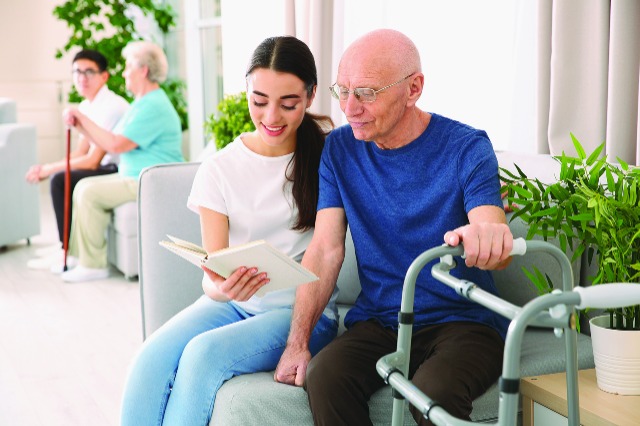
Common wisdom tells us that by giving, or giving our time, we receive something in return — tangible or otherwise. True to this principle, very often volunteers affirm that volunteering makes them feel happy. This positive effect of volunteering has been called the “helper’s high.”
But what causes this feeling? The field of positive psychology provides a compelling explanation with their research on happiness. Martin Seligman, the field’s leading figure and past president of the American Psychological Association, maintains that there are three types of happiness, or rather three kinds of happy lives:
• Pleasant life or life of enjoyment
• Good life or life of engagement
• Meaningful life or life of affiliation
Seligman outlines these modes of happy living in his books Authentic Happiness (2002) and Flourish (2011). The first mode of living involves the pursuit of pleasure and affords us only transient happiness. The second involves engagement in tasks in which we feel adept and is a source of durable happiness. The last involves participation in something larger or more permanent than ourselves and is also a source of durable happiness.

It’s the third type of happiness in Seligman’s model, that which derives from a “meaningful” mode of living, that is relevant to volunteering. For Seligman, this happiness stems from a sense of belonging, meaning and purpose. According to both a large body of research and volunteers themselves, volunteering frequently generates these very effects.
Volunteers obtain a sense of belonging from engaging with their community and expanding their social network, and a sense of meaning and purpose from their perception that they’re making a positive difference. Hence the sense of happiness, or this “helper’s high,” that so many volunteers report feeling.



Virginia Joins 21 States in Opposing USPS Gun Mailing Proposal

Commentary: Spanberger’s Data Center Position is the Test of Her Affordability Message

Spanberger Weighs Legislation to Allow Class Action Lawsuits in Virginia Courts

Electricity Doesn’t Give Second Chances on the Job Site

ORDER OF PUBLICATION: In the Circuit Court for Warren County, Virginia

An Open Letter of Gratitude to the Teachers in Warren County, Virginia

John’s Dream Scores 35th Win at Shenandoah Downs, Headlining Virginia Breeder’s Aged Stakes

The Dog Who Owned the Mail

Dad’s Secret Treat for Mother’s Day: The Frittata

Governor Spanberger Signs Bill to Decriminalize Suicide

Otis Sterling “Hubby” Darnell Sr. (1945 – 2026)

Virginia Lit the Fuse for Independence — 250 Years Ago This Month

Made in America: Why It’s a 20-Year Project, Not a One-Year Fix

Alford “A.D.” Carter III (1950 – 2026)

Downtown Local Celebrates One-Year Anniversary with Community Support

Free Comic Book Day Brings Crowds, Creativity to Main Street in Front Royal

Front Royal Tax Increase Debate Deepens as Full Cost Picture Comes Into Focus

Royal Visit Inspires Push for Annual Heritage Festival in Front Royal

Who Belongs in Your Inner Circle—and Who Doesn’t

Front Royal Reflects on Royal Visit: How a Deleted Email Became a Historic Day

Spanberger Signs Rideshare Safety Bills Tightening Driver-Checks, In-App Protections

New Court Challenge Targets Virginia Abortion Amendment Ballot Language

Americans’ Air Conditioning Costs Expected to Rise Again This Summer

Harvey Allen Snapp (1940 – 2026)
